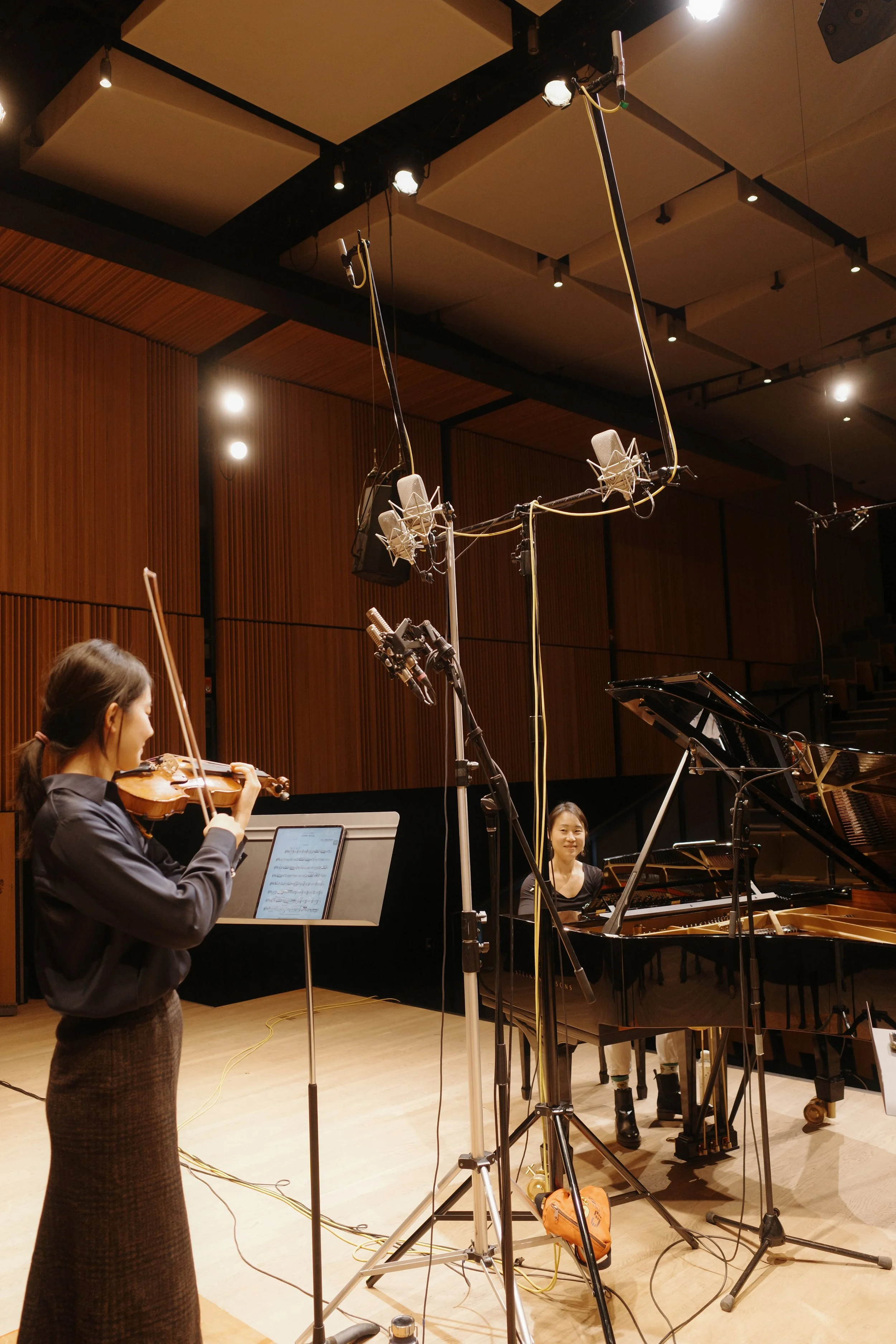
Debut Album:Where The Heart Belongs
Yiyun Zhao & Tong Wang
Where the Heart Belongs is a cross-cultural album that explores how music evokes memory, identity, and belonging across cultures. Inspired by my debut album of the same title, the program brings together Chinese and Western violin repertoire that reflects on themes of nostalgia, landscape, love, and remembrance.
AVAILABLE NOW ON ALL PLATFORMS
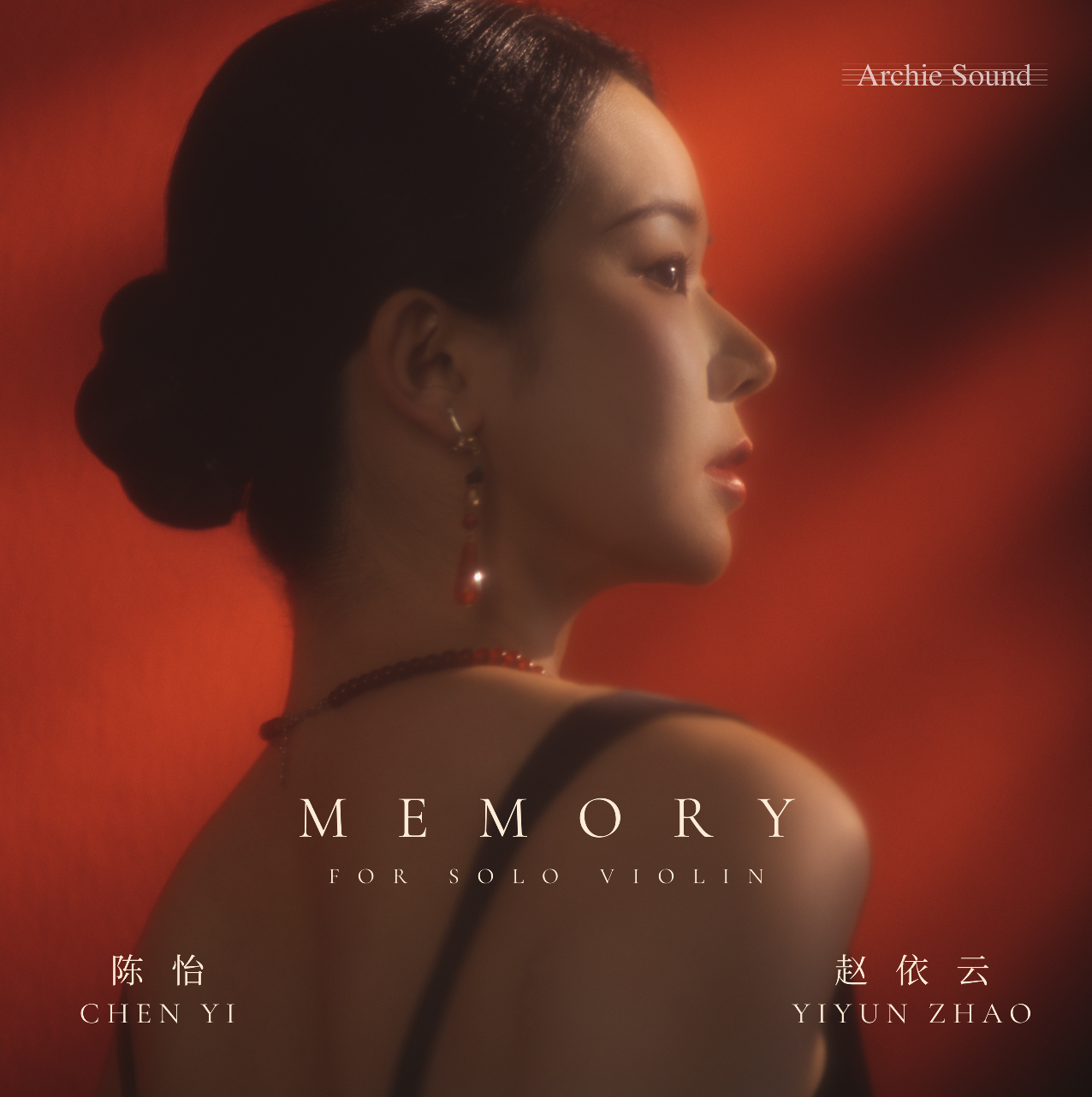
Single #3 Memory for Solo Violin
Some people may no longer be by our side, yet they never truly leave us. They live on in a familiar phrase, a cherished habit, a melody, and in the way we see the world and move through life. Time continues to move forward, but memory allows love to take on another form.
Memory is a work for solo violin composed in 2010 by Chinese-American composer Chen Yi, dedicated to her mentor, the renowned Chinese violin educator Professor Lin Yaoji. In her program note, she writes: “I wish you could hear the tune in my Memory, which sounds like my painful cry out of your name in our Cantonese dialect.”
Musically, Memory is also a dialogue between Eastern and Western traditions. Built upon the structural language and extended techniques of contemporary Western music, the work remains deeply rooted in the aesthetics of Chinese musical expression. Its fluid, breathing rhythms, chant-like melodic lines, delicate slides, ornaments, and constantly shifting colors reflect the Chinese ideal of expressing emotion through sound and gesture. At the same time, its rich harmonic language, dramatic contrasts, and gradual progression from restraint to emotional intensity give the work a powerful contemporary voice.
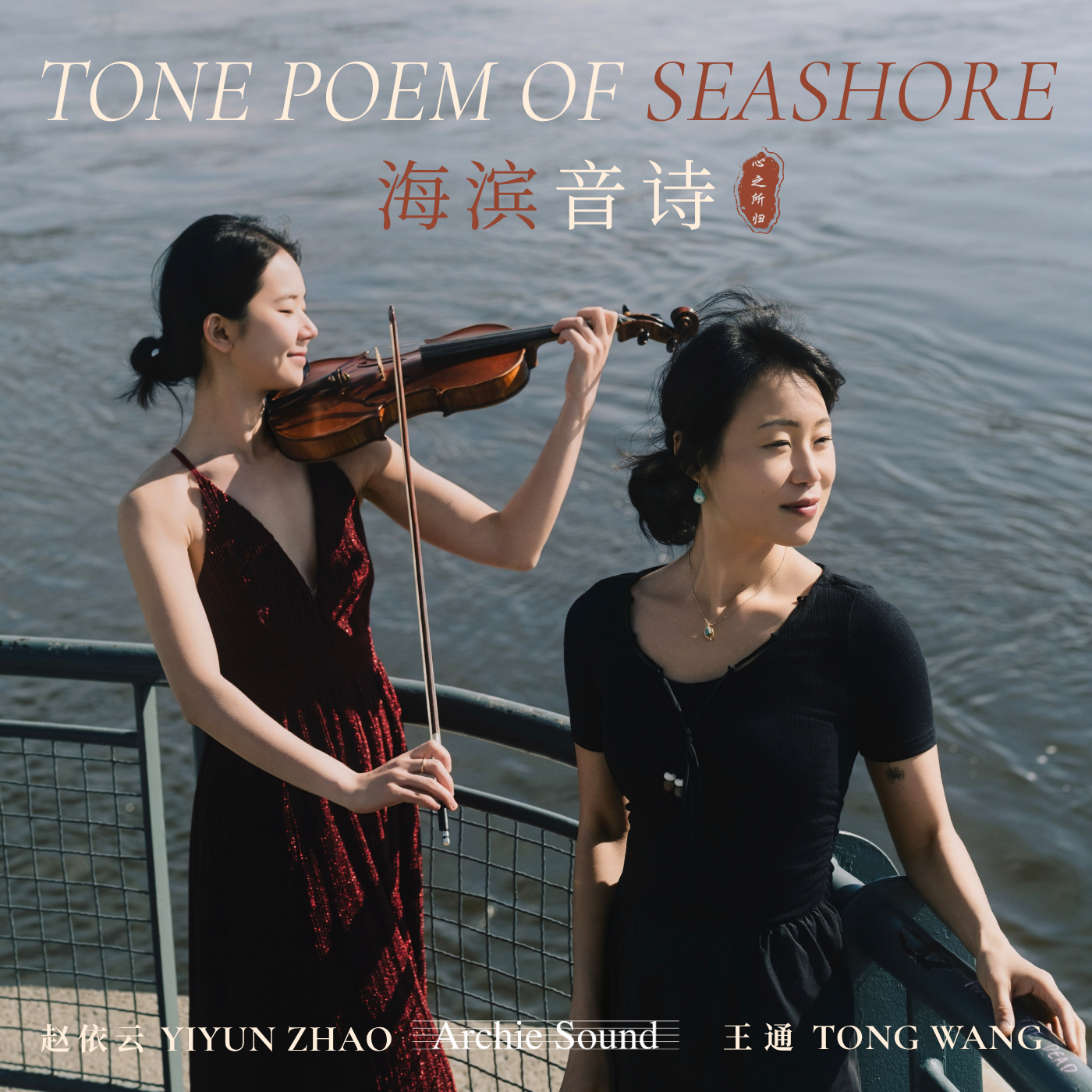
Single #2 Tone Poem of the Seashore
If a river symbolizes the journey home, perhaps the sea represents the distant horizon.
Tone Poem by the Seashore unfolds across a vast and ever-changing seascape. The piano’s flowing patterns reveal the shifting layers of the water, at times like gentle waves brushing against the shore and at others gathering into surging tides. Above them, the violin sings in expansive lyrical lines, like a solitary figure standing by the sea, facing the wind and gazing toward a place beyond sight. The piano evokes the ocean’s movement and changing light, while the violin gives voice to the longing, reflection, and hope awakened by its immensity.
Composed by Chinese composer Yongcheng Qin in 1962, the work uses violin and piano to express the subtlety, fluidity, and poetic depth of Chinese musical language. As the music unfolds, the piano grows from quiet spaciousness into powerful waves, while the violin rises from an intimate song toward an open and impassioned climax, as though the human spirit and the sea become one. When the tide recedes, the music returns to stillness, leaving behind an echo that continues to resonate.
More than a portrait of the coast, the piece captures the feeling of standing between homeland and the unknown: behind us lies the familiar place from which we came; before us, a vast and uncharted world. Somewhere between longing and possibility, we hear the distant horizon calling for the first time.
Perhaps leaving does not begin at the moment of departure. Perhaps it begins when we stand at the water’s edge and look toward the horizon. No matter how far we travel, familiar melodies, memories, and emotions continue to cross time and distance, becoming a sense of belonging that we carry within us.
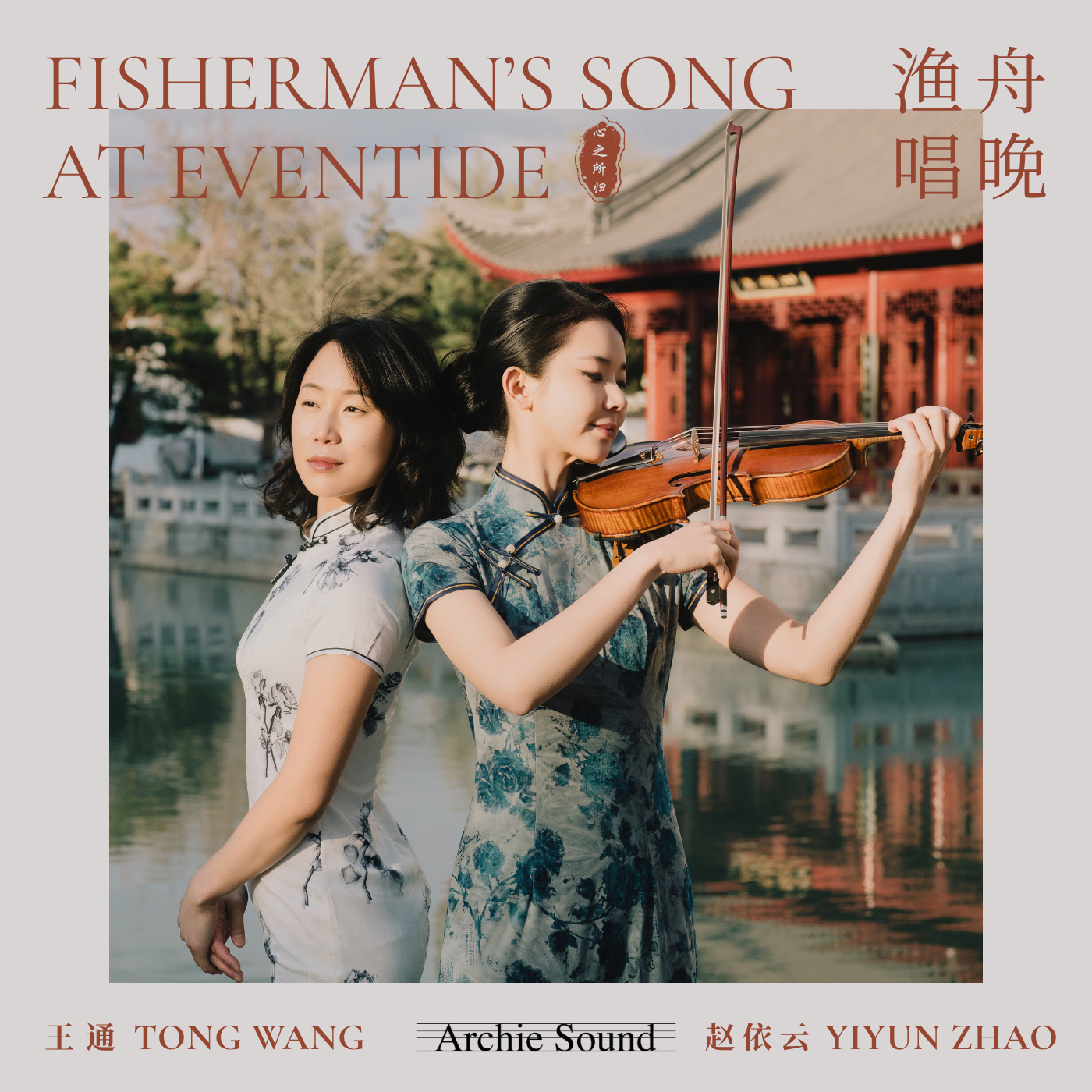
Single #1 Fisherman’s Song at the Eventide
Home, may be a question we spend a lifetime trying to answer.
Sometimes it is a place. Sometimes it is a memory. And sometimes, it is simply a feeling that stays with us wherever we go. Fisherman’s Song at Eventide marks the beginning of that journey.
One of the most beloved works in the Chinese musical tradition, Fisherman’s Song at Eventide takes its title from a famous line in Wang Bo’s Preface to the Pavilion of Prince Teng: “Fishing boats sing at dusk, their songs echoing along the shores of Poyang Lake.” Rooted in the guzheng tradition, the work paints a vivid scene of fishing boats returning home beneath the setting sun. Reflections shimmer across the water, distant songs drift through the evening air, and travellers find their way back to shore. Together, these images form a poetic vision of home deeply embedded in Chinese culture.
For us, having grown up in China and later continued our studies and artistic lives in Canada, the idea of home has gradually become something more than a geographical place. Over time, it has come to represent memory, identity, and belonging—a reminder of where we come from, and a companion in our ongoing search for where we belong.
As the first single from Where the Heart Belongs: Memory & Nostalgia, Fisherman’s Song at Eventide serves as the opening chapter of the album’s story. Centered on themes of memory, nostalgia, and belonging, the album creates a dialogue between Chinese and French musical traditions, exploring emotional experiences that transcend cultural boundaries.